A switchboard upgrade in Melbourne typically costs between A$1,500 and A$3,500 for a residential property. The work involves replacing outdated components — usually old ceramic fuses — with a modern board fitted with RCDs (safety switches) and circuit breakers. In Victoria, all switchboard work must be carried out by a [Registered Electrical Contractor](https://www.energysafe.vic.gov.au) and is subject to mandatory certification.
Published 4 May 2026 · 6 min read · Carbon Group Electrical
A switchboard upgrade in Melbourne typically costs between A$1,500 and A$3,500 for a residential property. The work involves replacing outdated components — usually old ceramic fuses — with a modern board fitted with RCDs (safety switches) and circuit breakers. In Victoria, all switchboard work must be carried out by a Registered Electrical Contractor and is subject to mandatory certification.
Your switchboard (also called a meter board or distribution board) is the central hub that controls and protects all the electrical circuits in your home. An upgrade typically means:
It is not just a cosmetic change — it brings your home's electrical protection up to current safety standards.
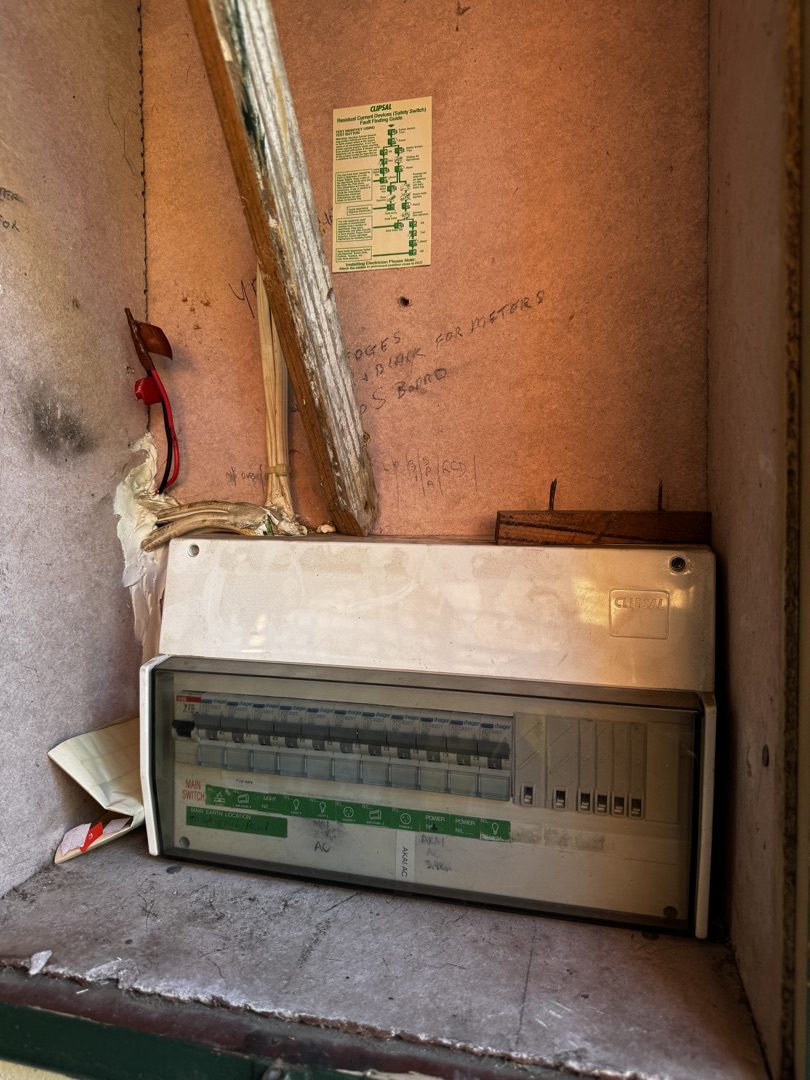
Older homes (typically pre-1990s) often have ceramic fuse holders with wire or cartridge elements. These:
Modern boards use:
Energy Safe Victoria recommends that all Victorian homes have RCDs fitted. They are mandatory on all new circuits under the current Electricity Safety (Installation) Regulations 2023.
Look out for these warning signs:
If you are unsure, have a Licensed Electrician inspect the board — do not attempt to open or work on the board yourself.
An EV charger installation requires a dedicated 32-amp circuit with an RCD. Older boards frequently lack the spare positions and safety switches needed.
Split system and ducted air conditioning requires a dedicated electrical circuit. If your board is already full, an upgrade is required first.
Adding a new bathroom, kitchen, or granny flat brings new circuits and often triggers a requirement to bring the whole board up to current standards.
A three-phase upgrade always involves a new switchboard installation to accommodate the three-phase supply.
Here is what the process typically looks like:
Some switchboard upgrades are classified as prescribed electrical work under Victoria's regulations — meaning an independent Licensed Electrical Inspector must inspect the installation before it is energised (switched back on). Your REC will organise this. Work cannot be turned back on until the inspection is complete and the certificate is signed off.
Some switchboards installed before the mid-1980s used asbestos-based backing boards or insulation panels. Before any electrical work can proceed on these boards, the asbestos must be assessed and, if required, removed by a licensed asbestos removalist. Your electrician cannot remove asbestos — the two trades must be coordinated separately.
If you have an older property in Melbourne's eastern suburbs and are unsure whether your board contains asbestos, ask your electrician to inspect it as part of the initial assessment.
Typical residential switchboard upgrade costs in Melbourne:
| Scope | Typical Cost |
|---|---|
| Basic upgrade (12–16 circuits, new RCDs) | A$1,500 – A$2,500 |
| Larger board or complex rewiring | A$2,500 – A$3,500 |
| Commercial / high-capacity board | A$3,500+ |
Ranges are based on Hipages (2026) and EA Electrics (2024–2025) cost data.
Additional costs that may apply:
Always request an itemised quote so you understand what is and is not included.
Carbon Group Electrical carries out switchboard upgrades throughout Croydon, Ringwood, Hawthorn, Kew, Camberwell, Glen Iris, Balwyn, Box Hill, Blackburn, Doncaster, Surrey Hills, Bayswater, Mitcham, and Vermont.
We hold REC licence 35801 and carry out all work to Energy Safe Victoria standards, with COES issued for every job.